
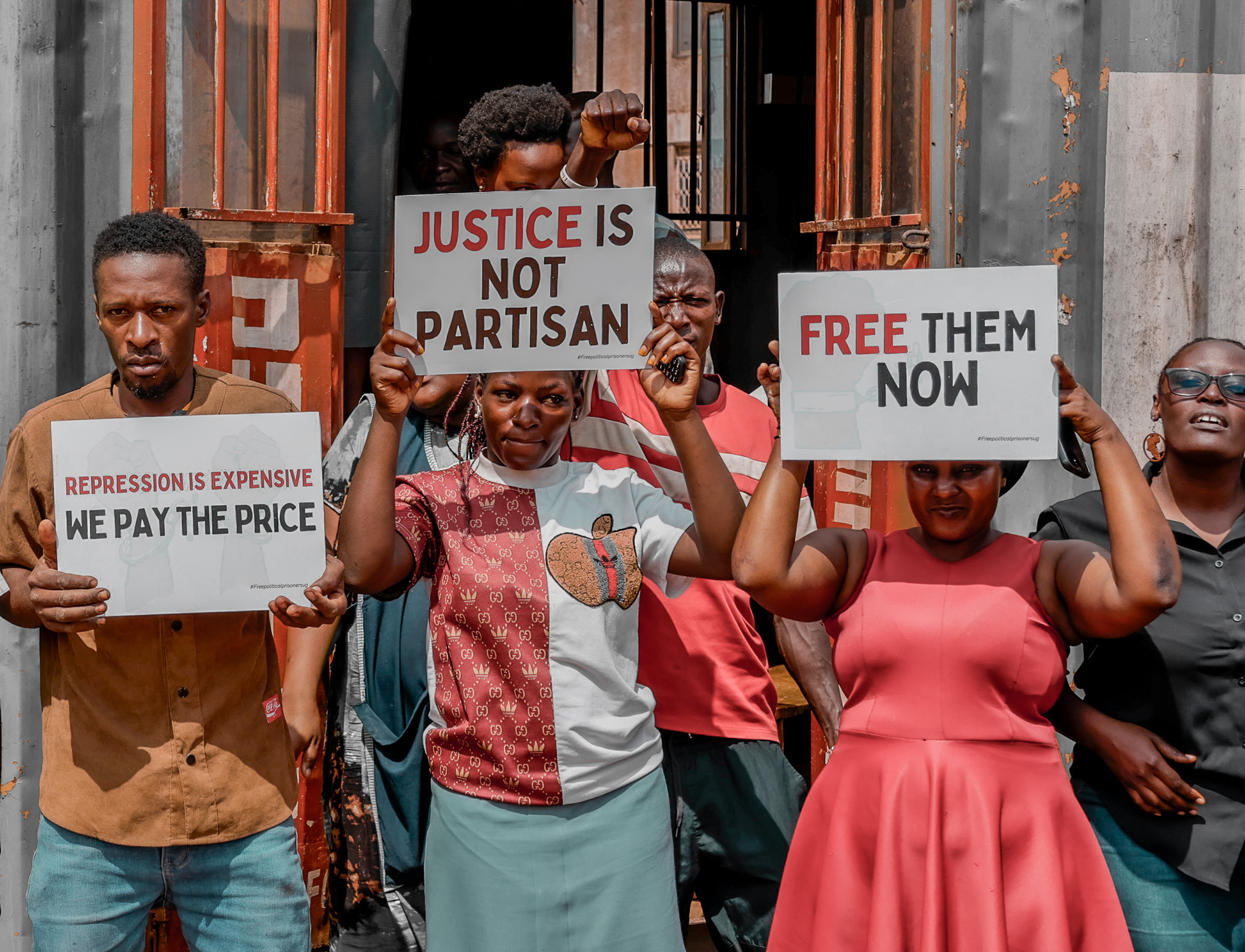
On 14 February 2026, while many people in Uganda and around the world exchanged flowers and cards to celebrate Valentine’s Day, something different was happening across the country.
Activists from Solidarity Uganda chapters in the North, Central, Western, and Eastern regions chose solidarity as their expression of love. Instead of celebrating privately, they organized peaceful actions to demand freedom for political prisoners.
Their message was simple: love means standing with those whose freedom has been taken away.
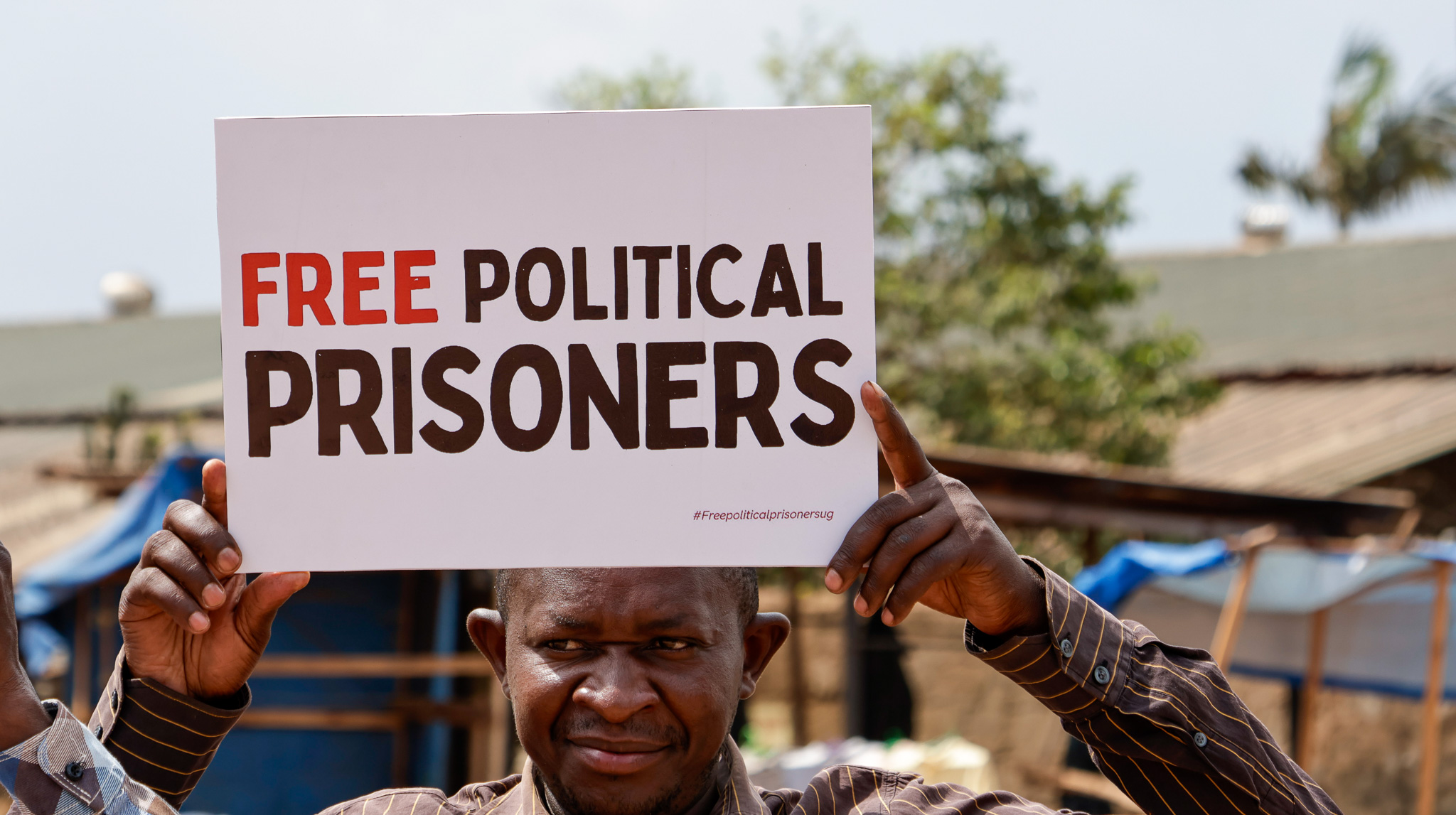
Across towns and communities, activists held quiet but deliberate actions. Some gathered in markets and public spaces. Others carried placards calling for justice. The actions were peaceful, but they sent a powerful message: Ugandans must not pretend that everything is normal while fellow citizens remain behind bars for their political beliefs or activism.
For many families, the cost of political detention is deeply personal. Instead of spending time together at home, some families now spend weekends traveling to prisons to see their loved ones. Others do not even know where their relatives are being held.
The fear created by such arrests spreads far beyond the individuals detained. It reaches homes, schools, churches, markets, and entire communities. When people see neighbours taken away simply for speaking their minds or participating in political activities, many begin to ask themselves: If I speak, will I be next?
Political detention therefore does more than silence individuals. It weakens the confidence of society.
Many Ugandans have long hoped for change in this country. People want better roads, schools, hospitals, and job opportunities. They want leaders who listen to citizens and respond to their needs. Yet when citizens attempt to exercise their constitutional rights, such as speaking freely, organizing peacefully, or participating in political life, they often face intimidation or arrest.
Periods surrounding elections have been very tense. Opposition gatherings have sometimes been disrupted, civil society organizations have faced restrictions, and activists have reported arrests and harassment. These developments have raised serious concerns about the protection of civil liberties in Uganda.
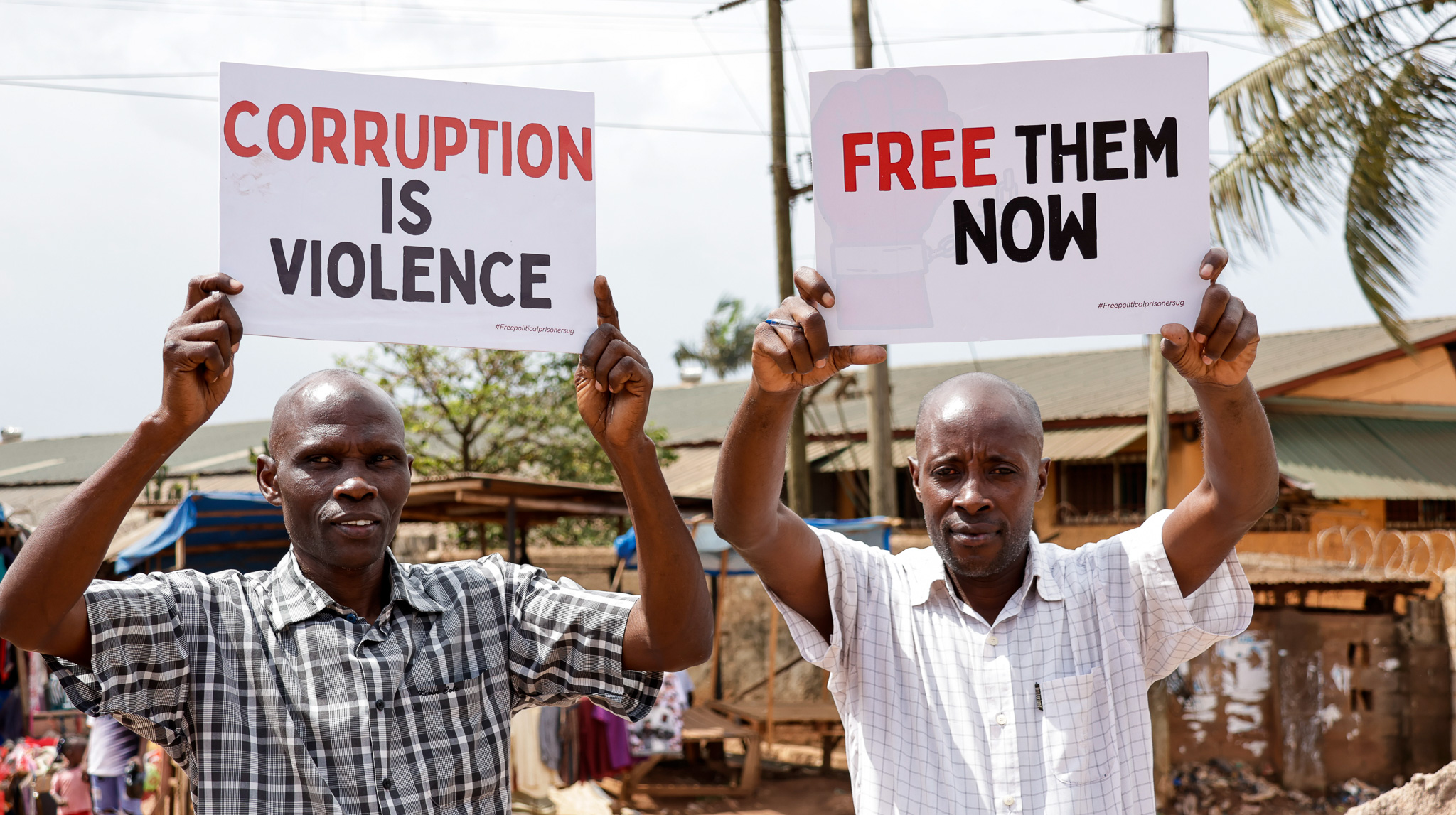
The Constitution of Uganda clearly protects these rights. Article 29 guarantees freedom of speech, expression, and peaceful assembly. Article 23 protects personal liberty and states that individuals cannot be detained without lawful cause. Article 28 guarantees the right to a fair trial in civilian courts.
These rights are not favours granted by those in power. They belong to citizens.
Uganda has also committed itself to international human rights standards, including the Universal Declaration of Human Rights. These agreements affirm that people should not face torture, enforced disappearance, or punishment simply for expressing peaceful political views.
Yet for many activists and opposition supporters, these protections often feel distant from reality.
Several individuals widely regarded by supporters as political detainees remain in custody. Among them are prominent figures such as Dr. Kizza Besigye, a long-time opposition leader, and other activists and supporters facing politically sensitive charges. For the families involved, these cases represent more than legal battles, they represent years of uncertainty, separation, and emotional strain.
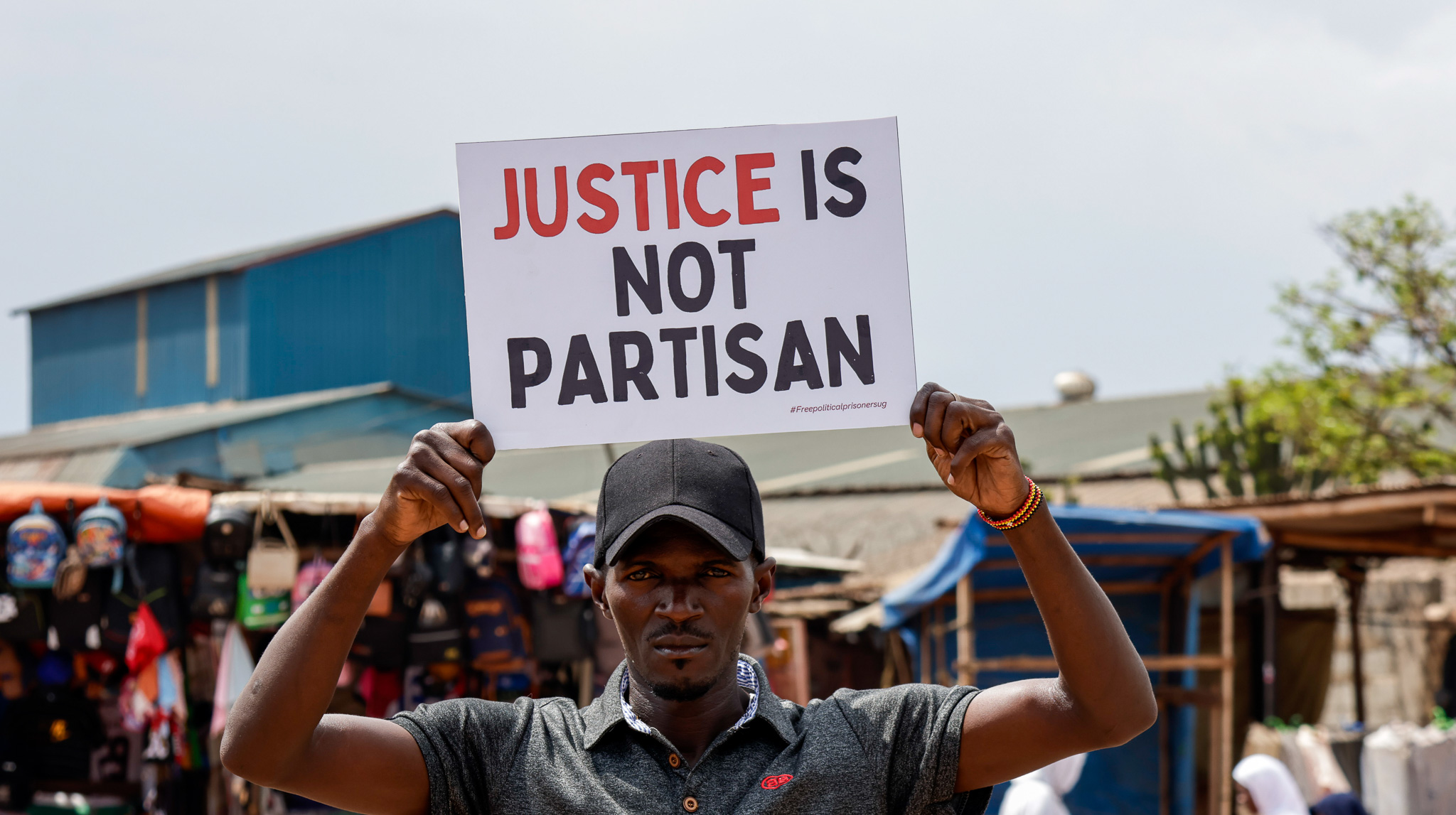
These stories are not limited to one part of the country. From Northern Uganda to the East, West, and Central regions, communities report similar concerns about arrests linked to activism and political activity.
This is why the actions on Valentine’s Day carried such meaning.
Rather than responding with violence or anger, activists chose peaceful solidarity. They gathered, spoke out, and reminded the country that freedom and dignity belong to all citizens.
These were small but deliberate acts of civic courage, ordinary people refusing to normalize fear.
The activists who participated on 14 February showed that solidarity can be a powerful force. By standing together across regions, they demonstrated that the demand for justice is not confined to one community or political group. It is a national concern.
Their actions also remind us of something fundamental: change rarely begins with grand gestures. It often starts with small groups of citizens who refuse to remain silent.
When communities organize peacefully and stand together, they challenge the idea that repression must be accepted as normal. They show that the power to shape a country’s future does not belong only to leaders or institutions.
It also belongs to the people.