
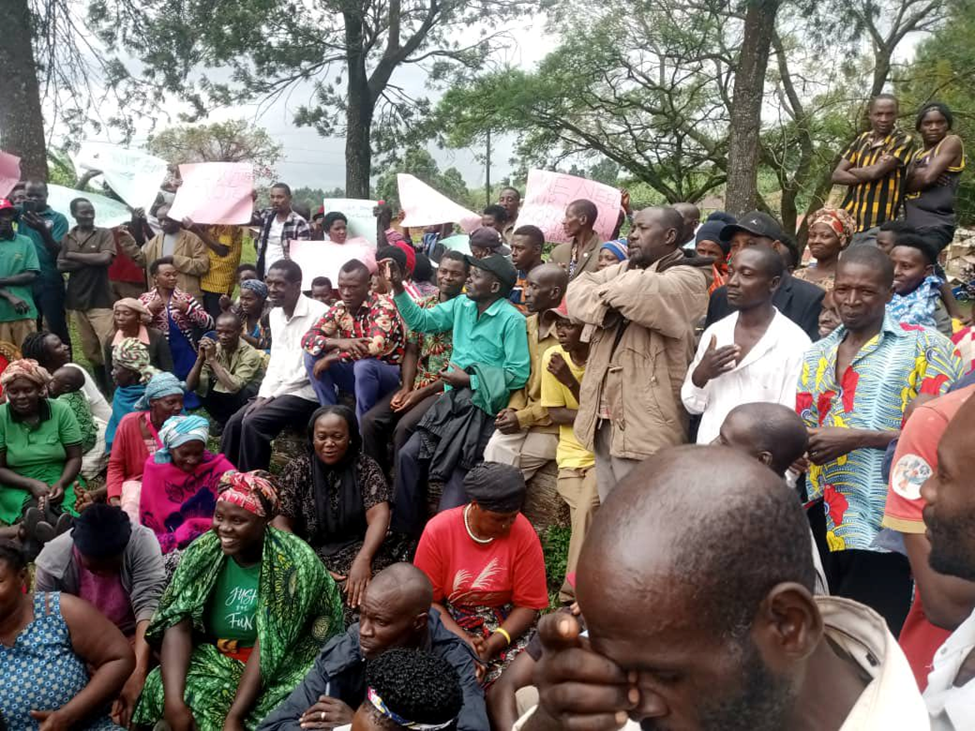
The Batwa people of southwestern Uganda, including those in and around Kanungu, are among the country’s most marginalized Indigenous minorities. In 1991, when the state gazetted forest territories as protected areas, including Bwindi Impenetrable National Park and Mgahinga Gorilla National Park, Batwa families who had long depended on these forests for livelihood, culture, and spiritual life were evicted without meaningful consultation in the name of conservation and tourism.
The displacement rendered many Batwa families landless and economically vulnerable, entrenching cycles of poverty and exclusion. Today, many live without secure land tenure and face severe barriers to education, healthcare, and infrastructure, deepened by a persistent social stigma that treats them as outsiders in their own country. Basic services remain inaccessible for many Batwa communities. Poor and nonexistent roads deepen isolation, making travel to markets, schools, and health facilities costly and dangerous. During the rainy season, some routes become impassable, forcing pregnant women and other vulnerable residents to undertake life-threatening journeys in search of critical care.
In November 2025, Batwa community members in Kirima Sub-County, Kanungu District, mobilized to confront decades of neglect. Among their most urgent demands was road access; without it, families remained cut off from markets, schools, and health facilities. Tired of unfulfilled promises, they organized an occupation at the LCIII office in Kirima, demanding immediate action on infrastructure and other essential services guaranteed to them as citizens.
By early 2026, road improvement works had begun on the route serving their area. For the community, this translates into safer transport, improved access to markets, quicker emergency referrals, and reduced isolation for school-going children.
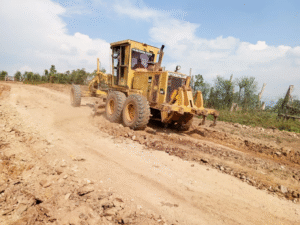
While one infrastructure project does not erase decades of land dispossession, discrimination, and exclusion from decision-making, it represents a concrete concession secured through organized collective action.
The events in Kanungu are not isolated. Across Uganda, conservation policies have too often prioritized wildlife protection and tourism revenue while excluding Indigenous communities from land ownership, decision-making, and benefit-sharing. For the Batwa, eviction from ancestral forests in the early 1990s was framed as environmental protection, yet conservation has rarely translated into meaningful participation or equitable returns for those displaced. The road mobilization in Kanungu, therefore, speaks to a broader national question: who bears the cost of conservation, and who benefits from it? By organizing for infrastructure and recognition, the Batwa are not rejecting conservation; they are challenging a model that protects forests while marginalizing the people historically connected to them.
This nonviolent action demonstrates that marginalized communities are not passive beneficiaries of development. When they organize strategically and apply sustained pressure, institutions can be compelled to respond.
Rights are rarely granted; they are claimed.
About The Author
